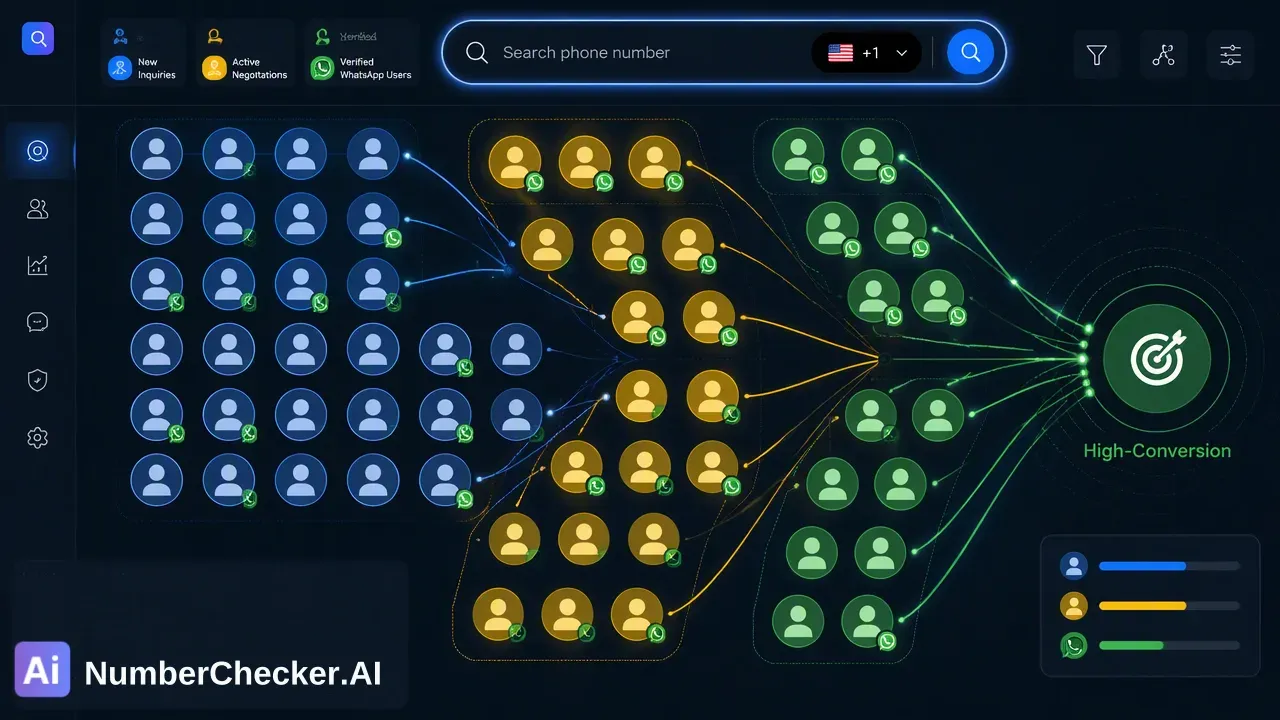
How to Transform Raw WhatsApp Contact Lists into High-Conversion Leads
Transform raw WhatsApp contact lists into segmented leads using data hygiene, bulk registration checks, and business-stage categorization workflows.
Transforming raw contact lists into high-conversion leads requires a systematic data-hygiene and segmentation workflow. First, organizations must standardize phone number formats and remove duplicates to establish a clean baseline. Second, teams can use bulk platform-registration checks to identify which numbers currently have a WhatsApp account presence. Finally, organizations should segment this verified list by business stage and historical interaction data. Moving from basic data cleaning to strategic audience segmentation helps teams prioritize outreach, reduce marketing waste, and support overall campaign performance. By integrating these steps, businesses can maintain organized CRM data and tailor their communication strategies effectively.
The Foundation of Effective WhatsApp Marketing
Effective WhatsApp marketing requires a systematic workflow that moves from basic data cleaning to strategic audience segmentation. Raw contact lists often contain outdated entries, formatting errors, and duplicate records collected across multiple touchpoints. Without a structured approach to data hygiene, organizations risk directing resources toward numbers that lack a WhatsApp account presence. A comprehensive workflow addresses these issues by standardizing data, verifying platform registration, and layering interaction context to prioritize outreach effectively. This multi-stage process supports internal decisions and helps teams focus their efforts on relevant contacts, supporting efficient marketing operations.
Step 1: Standardizing and Cleaning Raw Data
Standardizing phone number formats and removing duplicates is the essential first step before any verification occurs. Raw data collected from various sources—such as web forms, CRM imports, or offline events—frequently contains inconsistent country codes, spacing, and special characters. Normalizing these inputs into a consistent format, such as E.164, helps subsequent checks operate on uniform data. Deduplication further refines the list by consolidating multiple entries for the same contact, reducing redundant messaging. This foundational cleaning reduces processing volume, minimizes unnecessary API calls, and establishes a reliable dataset for subsequent platform-registration checks.
Step 2: Verifying Platform Presence
Once raw data is standardized, the next step is confirming which numbers are currently registered on the target messaging platform. Registration status is the first layer of filtering and helps identify registered accounts. NumberChecker.AI provides bulk checking workflows that support CSV or TXT list uploads and REST API access, helping teams process large lists efficiently. The WhatsApp Days Checker evaluates WhatsApp account presence and provides available activity or last-seen context, plus available business-account and profile context. This platform-registration signal informs outreach planning by distinguishing registered accounts from unregistered numbers.
Step 3: Strategic Segmentation by Business Stage
Registration status is a foundational filter but does not replace the need for business-stage segmentation. To transform a verified list into actionable leads, organizations must categorize contacts based on their relationship with the business. Retaining lead source and historical interaction data is necessary to prioritize outreach. Categorizing contacts by business stage—such as distinguishing new inquiries from active negotiations or historical customers—supports tailored communication. Applying available activity signals and profile enrichment data from the verification stage can further inform these segments. For example, understanding available business-profile context helps teams align their B2B messaging with the appropriate audience, helping keep outreach relevant to the recipient’s current stage in the customer journey.
The Impact of Data Hygiene on Campaign Workflows
Implementing a rigorous data hygiene and segmentation workflow directly supports campaign efficiency. By systematically removing duplicates, verifying platform presence, and categorizing contacts, organizations reduce the resources spent on unregistered numbers. This structured approach to WhatsApp contact list cleaning and segmentation helps teams review their audience data and informs internal decisions regarding outreach frequency and messaging strategy. Ultimately, maintaining clean, organized contact lists contributes to more focused campaigns and supports the strategic prioritization of high-value segments. Regular list maintenance helps CRM databases remain actionable, supporting long-term outreach planning and operational efficiency.
Frequently Asked Questions (FAQ)
Why is registration status not enough to determine lead quality?
A platform-registration signal only indicates whether a specific phone number is associated with an account on a target messaging platform at the time of the check. Effective lead qualification requires layering this registration data with business-stage segmentation and historical interaction context to inform outreach strategies.
How does bulk list cleaning support campaign workflows?
Bulk list cleaning helps organizations process large datasets efficiently via CSV, TXT, or REST API access. By identifying and filtering out numbers without a WhatsApp account presence, teams can reduce marketing waste and focus their outreach efforts on registered accounts. This foundational data hygiene supports overall campaign prioritization and informs internal resource allocation.
What is the difference between a raw contact list and a segmented lead list?
A raw contact list typically contains unverified, unformatted data with potential duplicates and unregistered numbers. In contrast, a segmented lead list has undergone rigorous data hygiene—including formatting, deduplication, and platform-registration checks—and has been categorized by business stage or interaction history. This structured approach supports tailored communication and helps teams prioritize high-value segments.
How often should organizations clean their contact lists?
Organizations should incorporate data hygiene as a recurring process to help reduce data decay. Because platform registration status can change over time, periodically verifying WhatsApp account presence and updating business-stage segments helps keep outreach planning based on current account data. Regular maintenance supports consistent campaign performance and accurate CRM records.
Get Started with NumberChecker.AI
Explore NumberChecker.AI’s supported bulk list-checking products and choose the capability that fits your workflow.
Ready to get started?
Try our WhatsApp number validation service and see the difference clean data makes.

